
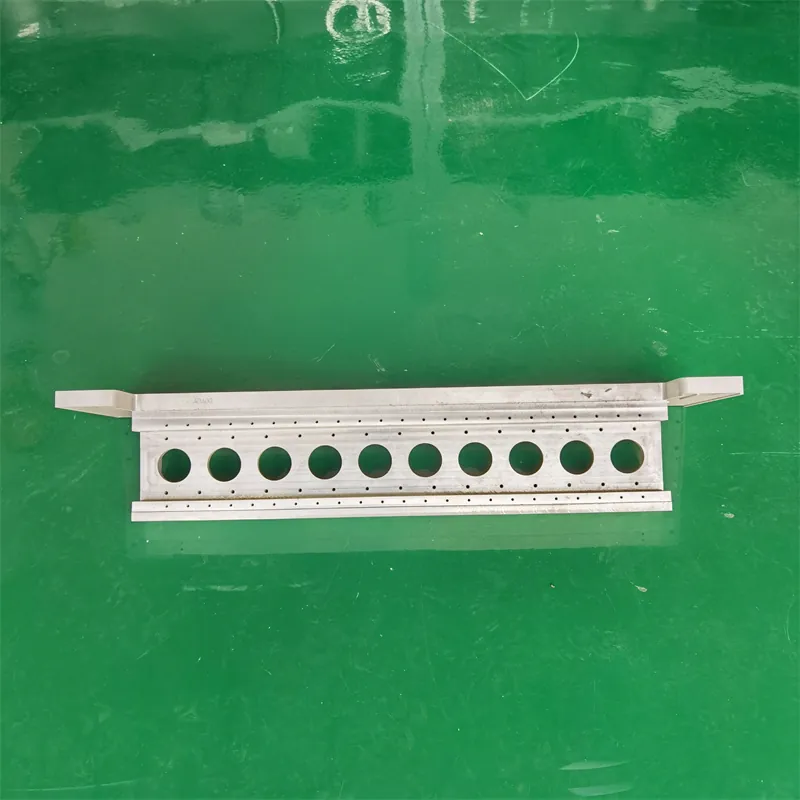
Surface treatment is where castings stop looking like raw metal and start looking like a finished product. The two most common routes for aluminum parts are anodizing and powder coating — and they serve very different customers.
Anodizing grows a hard, colored oxide layer into the surface itself, so it never peels. Powder coating lays a thicker polymer layer on top, which hides small casting imperfections and offers unlimited color options.
Key Points
- Anodizing (Type II / Type III): thin but very hard, excellent wear and corrosion resistance, metallic look. Best on machined surfaces and parts with tight tolerances (layer 5–25 µm).
- Powder coating: 60–120 µm thick, best coverage of surface porosity and texture, widest color range, lower cost for large or multi-color parts.
- Cast-aluminum caution: heavy porosity can spoil an anodized finish, so we shot-blast or machine first and check the surface before committing.
- Rule of thumb: cosmetic + wear → anodize; corrosion + color + hiding surface defects → powder coating. Both available in-house.